



 Github Stars:
 Last Commit:
  Created: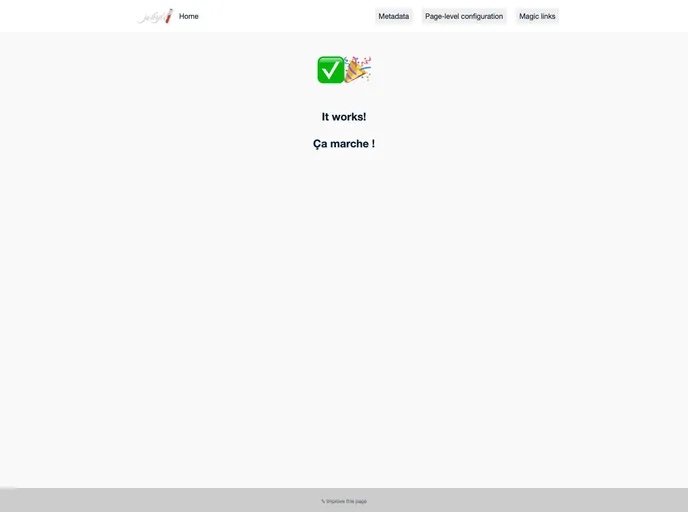
Overview
The Jekyll Lean Startup Template is a repository that aims to make it easier to use Jekyll to publish websites or landing pages and get contributions from both developers and non-technical users. Jekyll is a static website generator that transforms content written in Markdown or HTML into full HTML files that can be displayed in web browsers. One of the main benefits of Jekyll is that it can be run and hosted for free on platforms like GitHub or GitLab. The template provides setup instructions and best practices for efficiently building and deploying landing pages that allow non-technical users to contribute content through online text editors.
Features
- Publish websites or landing pages, not just blogs
- Get contributions from non-technical users using online code editors
- Build upon convention rather than configuration
- Display page metadata
Installation
Clone the Jekyll Lean Startup Template repository.
git clone <repository_url>Install Jekyll if you don’t have it already.
gem install jekyllChange into the cloned repository directory.
cd <repository_directory>Build the site and serve it locally.
bundle exec jekyll serveOpen your web browser and navigate to
http://localhost:4000to view the locally served site.
Summary
The Jekyll Lean Startup Template is a useful resource for small teams looking to deploy landing pages or small websites quickly and affordably. It aims to make the developer experience more efficient while also enabling non-technical contributors to easily contribute content. By using Jekyll, developers can take advantage of its flexibility, ease of use, and ability to be hosted for free on platforms like GitHub or GitLab. The template provides setup instructions and best practices for building and deploying landing pages, as well as examples of successful projects that have been built using Jekyll.